
The History of Daxline, Gottiline & Ed Shepherd: How One Vision Helped Shape the American Bully
Before the American Bully became a worldwide movement, a small group of breeders helped push the breed in a new direction. Among the most influential was Ed Shepherd, the man behind Daxline and one of the key figures connected to the rise of the modern American Bully look.
Ed Shepherd is widely recognized as one of the important early figures in the American Bully movement. His work helped shape a distinct style of bully: compact, heavy-boned, thick, family-friendly, and visually unmistakable.
When Ed first entered dogs, most American Pit Bull Terrier-type dogs were taller, leaner, higher-drive, and closer to the traditional APBT standard. After purchasing his first dogs and spending time around them with his family, Ed quickly realized that the temperament, loyalty, and companionship of these dogs were what drew him in.
Over time, his vision moved away from high-drive, game-style dogs and toward a calmer, thicker, more companion-based bully. That shift would eventually help influence what many people now recognize as the modern American Bully.
How Gottiline Started
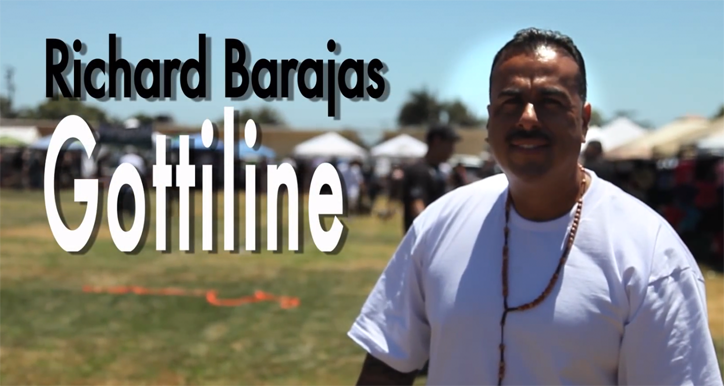
The Gottiline bloodline, also spelled Gottyline by many breeders, became one of the most recognized names in the American Bully community. The line traces heavily back to Richard Barajas of West Side Kennels and his famous dog, The Notorious Juan Gotty.
In 1997, Richard Barajas purchased Juan Gotty from Tony Moore of Greyline Kennels in Los Angeles. The reported purchase price was $1,300 — a number that looks small now considering the impact Gotty would later have on bully history.
At the time, nobody could have fully predicted how much influence one dog would have. Juan Gotty became a foundation name behind a major movement, and his influence continued through many of the dogs and lines that followed.
Notorious Juan Gotty of West Side Kennels
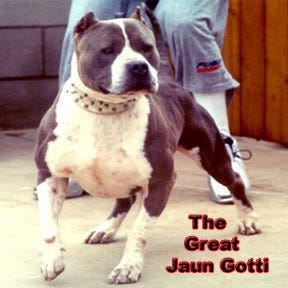
Tony Moore of Greyline Kennels produced Notorious Juan Gotty before selling him to Richard Barajas as a puppy. Gotty was a Greyline-bred dog, and the dogs of that era were often much different from the calmer, heavier, lower-drive American Bullies people are used to seeing today.
Many older lines still carried more of the classic APBT drive, energy, and working temperament. That is one of the major differences between early bully foundation dogs and the modern American Bully, which has since become more focused on companion temperament, structure, type, and show-ring presentation.
Some old-school American Pit Bull Terrier purists still debate whether dogs like Gotty represented APBT lines, early American Bully foundation stock, or a transitional point between the two. That discussion is part of the broader history of the breed and one reason education matters.
For readers learning the difference between breed type, size class, and modern bully terminology, Venomline’s Pocket Bully vs Micro Bully guide and Pocket Bully Size Guide are good places to start.
How Ed Shepherd Created Daxline
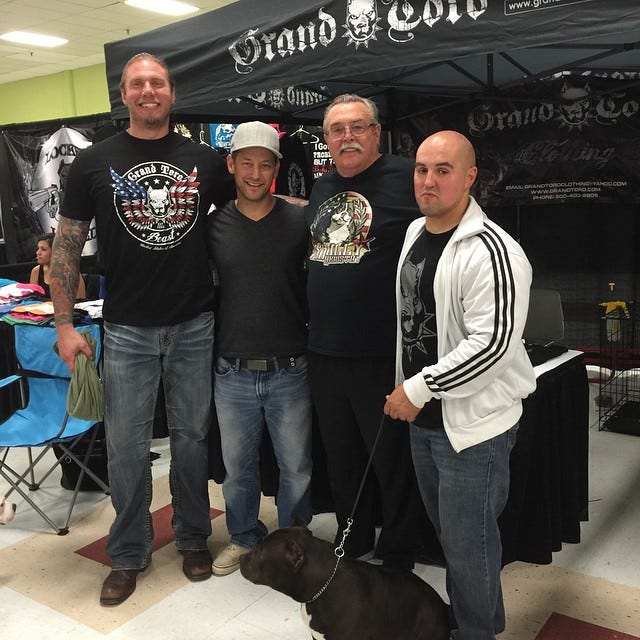
Richard Barajas and Ed Shepherd were friends during the early days of Gottyline. Ed used the spelling “Gottyline,” reflecting the spelling on Juan Gotty’s papers, while Richard later used “Gottiline.” That is why both spellings still appear across old pedigrees, articles, breeder pages, and conversations.
What started as a shared connection to the Gottyline name eventually evolved into Ed Shepherd building his own recognizable direction. That direction would become Daxline.
The Purchase of 21 Blackjack
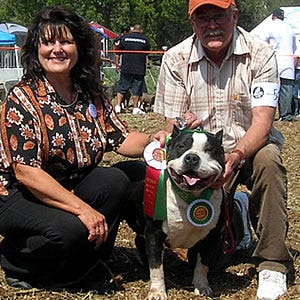
Ed purchased 21 Blackjack around the time Cruz of Bow Wow Pits was becoming more interested in Razors Edge dogs. Since Blackjack was not a Razors Edge dog, Cruz was not as focused on him at the time.
That purchase became a major turning point for Ed. He began showing 21 Blackjack, eventually championed him out, and used the attention around Blackjack to build momentum for his kennel.
After years of linebreeding, inbreeding, selection, and consistency, Ed developed a yard of dogs with a recognizable look: big heads, thick necks, heavy shoulders, compact bodies, and a calm companion temperament.
Why This Matters Today
Modern American Bully programs are judged by consistency, structure, health, temperament, and whether a breeder can reproduce a recognizable type over multiple generations. That same principle is why serious breed education matters. Readers comparing modern programs should study resources like Venomline’s Pocket Bully Breeder Guide and Pocket Bully Health Guide.
The Birth of Gottyline’s Dax
Around 2008, Ed bred West Coast Gottyline’s Romeo to his female Barbee. That breeding produced the dog who would become one of the most famous American Bullies in history: Gottyline’s Dax.
As Dax matured, Ed realized he had produced something special. Dax had the structure, head, neck, shoulders, compact build, and temperament that represented the look Ed had been working toward. Eventually, Ed renamed his kennel and bloodline around that dog, and Daxline was born.

Dax was considered an Extreme American Bully. He had an easygoing temperament, was known as non-aggressive, and represented Ed’s preference for a calmer, family-friendly bully over a high-drive dog.
Dax finished his show career as an ABKC Grand Champion in the Extreme class. Like many influential dogs, his show career and classification were not without debate, but his impact as a producer became impossible to ignore.
Dax reportedly stood around 15 inches at the withers, weighed roughly 75 pounds, and carried a 24-inch head. He was also Ed’s house dog — not just because he was valuable, but because he was part of the family.
Dax Productions: Why His Influence Became Legendary

Dax is often discussed as one of the most influential producing dogs in American Bully history. Breeders have debated whether he should be considered F1, F2, or F2B, but the debate that matters most is the one he settled in the whelping box: Dax could produce.
His ability to stamp offspring was the reason his name became so powerful. Dax was known for throwing the signature Daxline look — head, neck, shoulders, compact build, and mass — with a consistency that few studs in the breed have matched.
Dax sired or influenced major names including Champion Lucky Luciano, Louis V, Champion Magoo, Cashpot, Dual Grand Champion G-Train, Spartacus, Phenom, Boss, Kill Bill, Heat Stroke, Lil Sitch, Status, Havoc, Goku, Uso, Wyatt Earp, and many others.
Daxline influenced the look of countless modern American Bullies, especially dogs bred for head size, neck, shoulder, compactness, and mass.
Many Pocket Bully and Micro Bully pedigrees still carry the influence of Dax, Magoo, Lucky Luciano, Louis V, and related foundation dogs.


From Daxline to the Modern Pocket Bully
The influence of Daxline is still seen across modern pedigrees, especially in dogs bred for a shorter, thicker, more compact bully look. While the terminology has changed over time, many of the traits associated with Daxline remain part of what people now look for in Pocket Bullies and Micro Bullies.
That said, size labels can be confusing. A true Pocket Bully is not defined by hype words or social media labels. It should be understood through height, structure, proportion, temperament, and registry standards. For a deeper breakdown, read Venomline’s Pocket Bully Size Guide, Micro Bully Size, Traits & Breed Guide, and Pocket Bully vs Micro Bully comparison.
Modern bully breeding should not be about chasing extremes without balance. The best programs focus on structure, movement, health, temperament, pedigree knowledge, and long-term consistency.
Ed Shepherd’s Legacy
Beyond producing one of the most famous American Bullies of all time, Ed Shepherd earned respect because he had a vision and stayed with it before the rest of the world fully understood what he was building.
Several top programs across the country have used Daxline influence for the exact traits Dax became known for: head, neck, shoulders, mass, and consistent bully type. Without Dax, the American Bully landscape would look very different today.
Ed is also remembered by many as humble, respectful, and willing to share what he learned with those who were serious enough to listen. In a breed where ego can get loud fast, that matters.
Watch: Ed Shepherd & Daxline History
Final Word
The history of the American Bully is not built on one dog, one kennel, or one bloodline. It is the result of many breeders, many risks, many debates, and a handful of dogs that changed the direction of the breed forever.
Ed Shepherd and Daxline belong in that conversation. Gottyline helped lay the foundation. Dax helped define a look. And the American Bully movement grew from there into the worldwide breed community we see today.
From all of us who still study pedigrees, preserve history, and care about the future of the breed: respect to the people and dogs who helped build the foundation.
Continue Learning About American Bullies
For readers researching American Bully classes, Pocket Bully size, Micro Bully traits, care, health, temperament, pricing, and how to choose a responsible breeder, the Venomline education hub is a strong starting point.
Start here: American Bully Blog Hub.