

Why American Bully Kennels Fail: 10 Breeding Program Mistakes
American Bully breeding programs rarely fail because of one bad litter. More often, they fail because weak foundations, poor planning, financial pressure, bad breeding decisions and short-term thinking compound over time.
Over the years countless kennels have come and gone.
Why do some American Bully kennels develop into respected, multigenerational breeding programs while others disappear after only a few breedings?
The answer is rarely as simple as having a good dog, buying an expensive stud or producing one impressive litter. Sustainable breeding requires a defined standard, quality foundation stock, mentorship, financial discipline, sound contracts, careful pairing decisions and the patience to evaluate what a program actually produces over time.
This article focuses specifically on why breeding programs fail. Breeders looking for the complete operating framework for building a Pocket program should use Venomline's Pocket Bully Breeding Program Blueprint. Anyone still deciding how to enter the breed should begin with the broader How to Become an American Bully Breeder guide.
1. Starting Without Knowledge or Mentorship
Anyone who owns breeding-age dogs can call themselves a breeder. Building a responsible breeding program is different.
Experienced breeders learn quickly that reproduction involves far more than selecting a male and female. Contracts, health screening, reproductive timing, unsuccessful breedings, veterinary emergencies, whelping complications, puppy care, placement decisions and buyer support all require preparation.
New kennels are often exposed first to the visible side of breeding: impressive dogs, show wins, puppy announcements and successful litters. What social media rarely shows are the unsuccessful breedings, emergency veterinary bills, sleepless nights, difficult placements and years spent learning what particular bloodlines actually produce.
Knowledge from books, articles and videos is valuable, but applied experience is different. A strong mentor can help a developing breeder recognize problems earlier, ask better questions and avoid mistakes that have already been made by others.
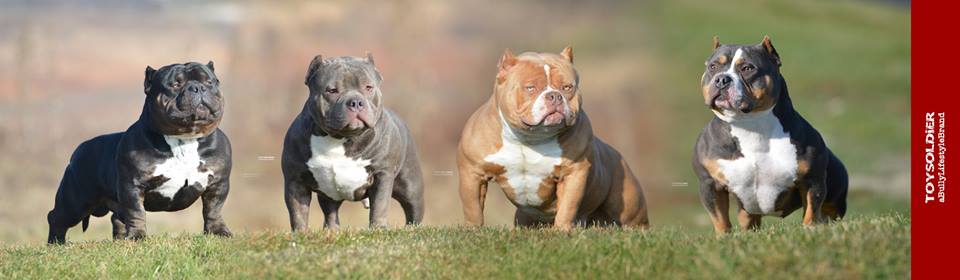
Why Mentorship Still Matters
Good mentorship should not mean copying another breeder's program. It means learning how experienced breeders evaluate dogs, pedigrees, pairings, contracts, finances, reproduction and outcomes.
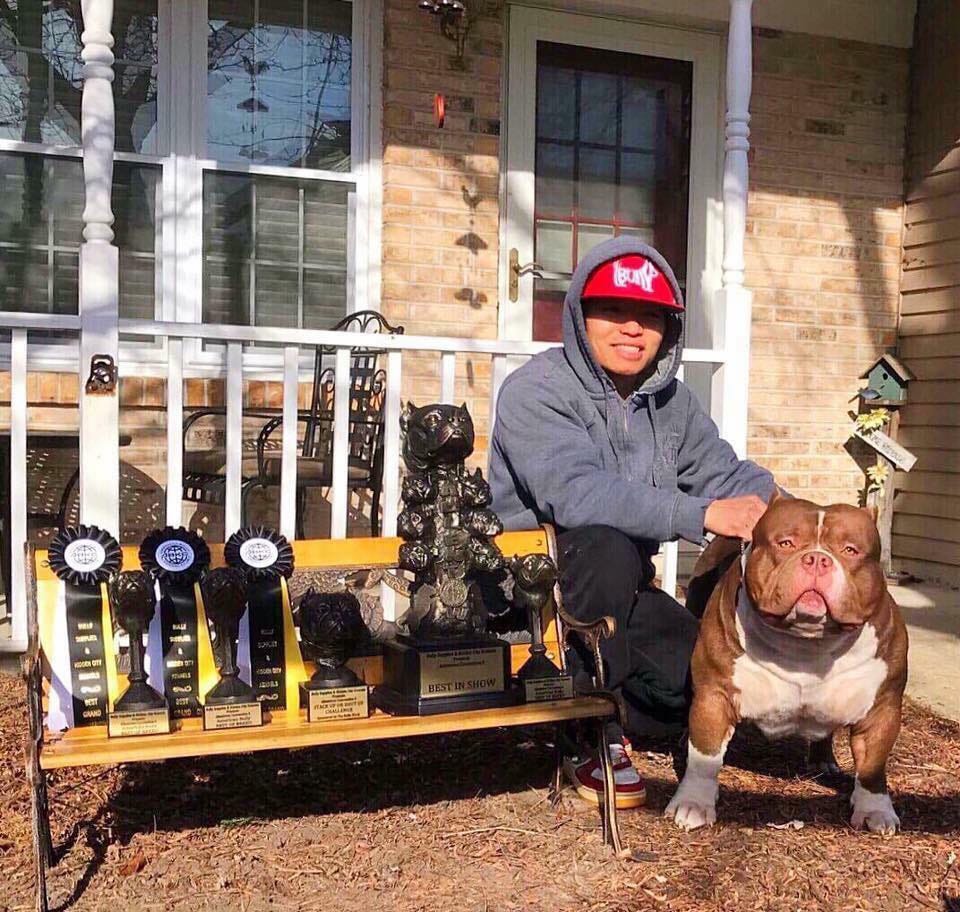
GrCh Rocko & Khanh Nguyen
This is an evolving breed community. Remaining teachable matters whether someone is preparing for a first breeding or has produced dogs for years.
Olin Stephens of Grindhouse Bullies explained the importance of continuing to learn and helping newer breeders develop their own programs. His underlying point remains relevant: experience should increase a breeder's willingness to evaluate results honestly—not create the assumption that there is nothing left to learn.
2. Building on Weak Foundation Stock
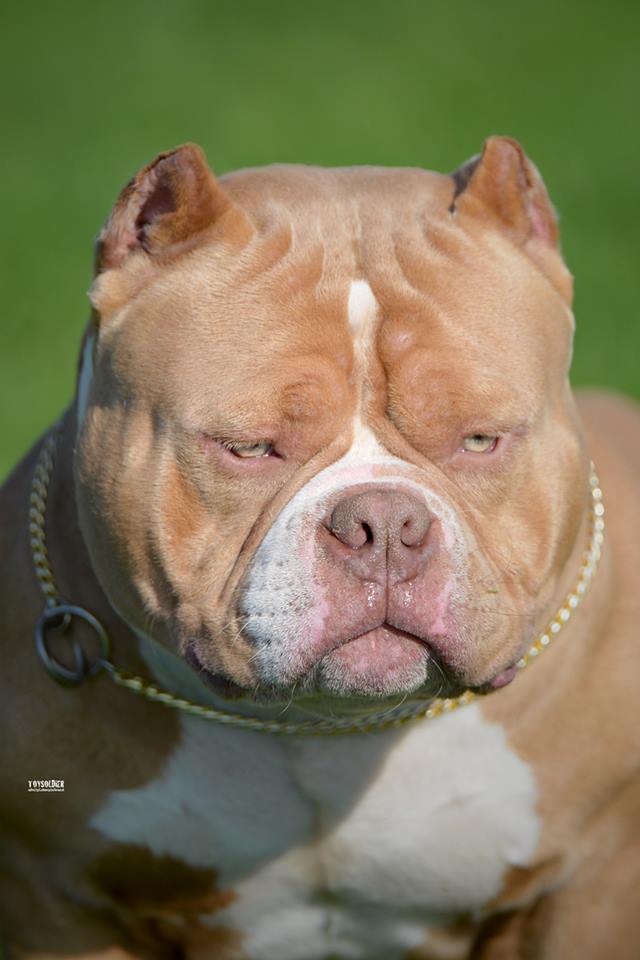
Foundation males and females earn that name for a reason. Every generation that follows is influenced by the decisions made at the beginning.
An expensive pedigree cannot compensate automatically for poor structure, unstable temperament, health concerns or a family that produces inconsistently. Starting with weaknesses that the breeder plans to “fix later” can create generations of correction work.
A serious breeding candidate should be evaluated as a complete dog: structure, movement, temperament, health information, pedigree, family production and how clearly that individual fits the program's long-term direction.
3. Underestimating the Female Side of the Pedigree
The Female Line Is Not an Afterthought
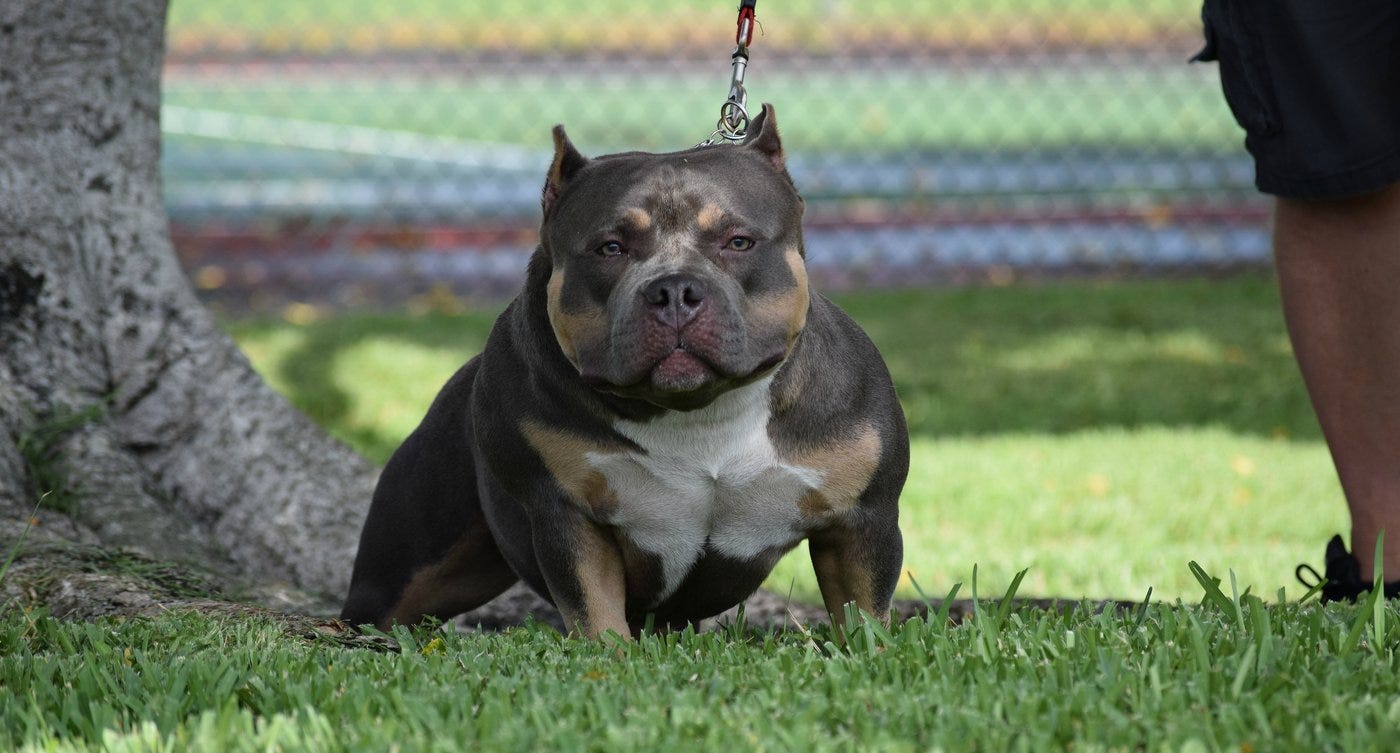
10-month-old female Super Swizz of Venomline.
One of the most persistent mistakes in breeding is assuming an elite stud can compensate for an average or poorly selected female.
Genetically, both parents matter. The practical breeding lesson is even broader: a female contributes not only half of the puppy's nuclear DNA, but also becomes part of the maternal line a kennel may build around for generations.
That is why experienced programs evaluate females with the same intensity—or greater intensity—they use when shopping for a popular male.
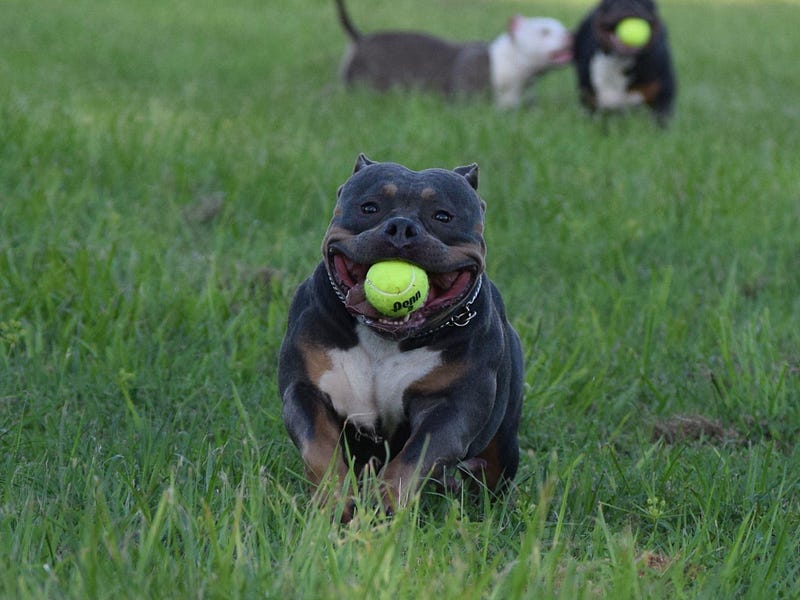
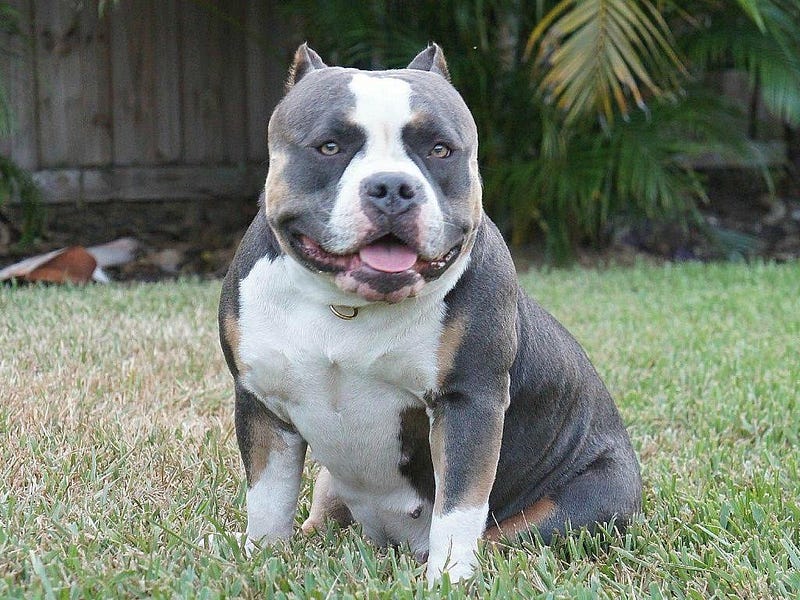
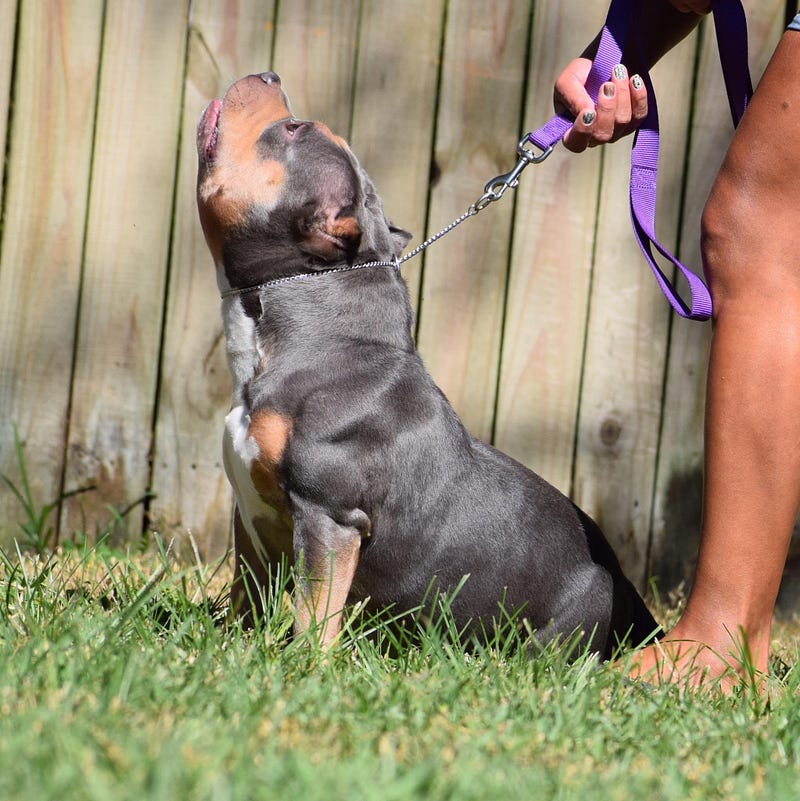
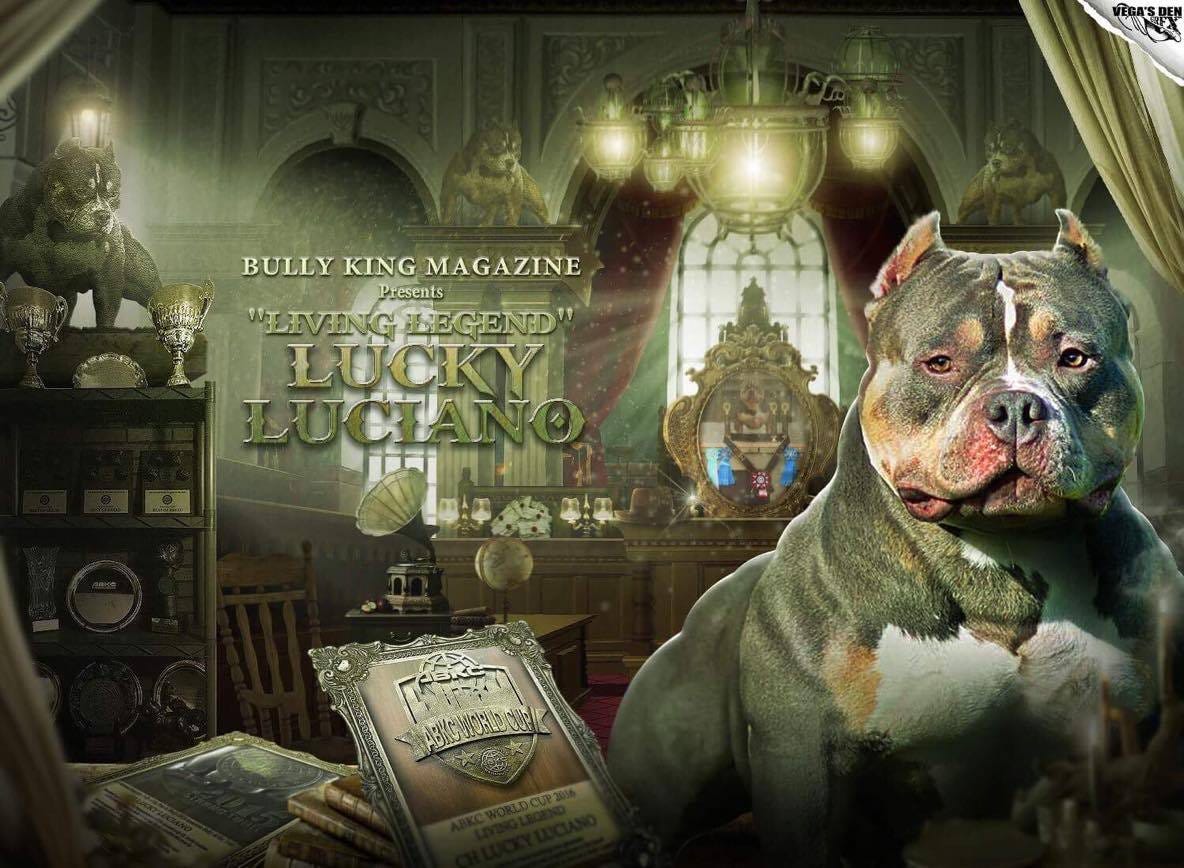
ABKC Champion Lucky Lucianna, ABKC Champion Fury & Mia. See Venomline's current and foundation American Bully females.
For a deeper breeder-focused framework, review Venomline's Foundation Females in American Bully Breeding guide.
4. Poor Financial Planning
Breeding should never be planned around the assumption that every breeding takes, every litter is large and every puppy sells immediately.
A responsible kennel budget has to account for foundation dogs, health screening, reproductive veterinary work, progesterone testing, stud service, semen collection or shipping when required, pregnancy care, whelping supplies, emergency veterinary care, puppy care, registration, marketing and the possibility of unsuccessful breedings.
One unsuccessful breeding should not put the care of the dogs—or the survival of the kennel—at risk.
5. Choosing a Stud Without a Breeding Objective
Waiting until a female enters heat and then posting “looking for a stud” is not a breeding strategy.
A stud should be selected because his strengths, pedigree and production complement the female and advance a defined breeding objective. Popularity, coat color, price and social-media attention may affect marketing, but none of them prove genetic compatibility or production quality.
Breeders actively comparing sires can review Venomline's American Bully studs and Pocket Bully stud service. The commercial stud page is intentionally where current sires, breeding options and availability belong.
For the process behind booking and completing a breeding, use the American Bully Stud Service Guide.
6. Breeding Without a Long-Term Vision

A breeding program should be designed before the breeding occurs.
That means defining the type of dog the kennel is trying to produce, understanding which traits are priorities, identifying unacceptable faults and evaluating whether each planned litter advances the program.
A real breeding program should be able to answer:
- What type of American Bully are we trying to produce?
- Which structural traits are priorities?
- Which temperament traits are non-negotiable?
- What health information do we require?
- What weaknesses are we trying to improve?
- Which traits must never be doubled?
- What would make us cancel a planned breeding?
- How will we evaluate the puppies after they mature?
For breeders building a Pocket-specific program, Venomline's 12-Step Pocket Bully Breeding Program Blueprint expands this into a complete program-building system.
7. Operating Without Clear Contracts
Verbal agreements are easy when everyone agrees. Problems begin when expectations differ.
Stud service, co-ownerships, puppy placements, deposits, breeding rights, rebreed policies and other transactions should have written terms that clearly explain what each party is receiving and what happens when circumstances change.
Contracts do not replace professional legal advice, and laws vary by jurisdiction. They do force the breeder and client to define important terms before money, dogs or breeding rights change hands.
8. Treating Marketing as an Afterthought
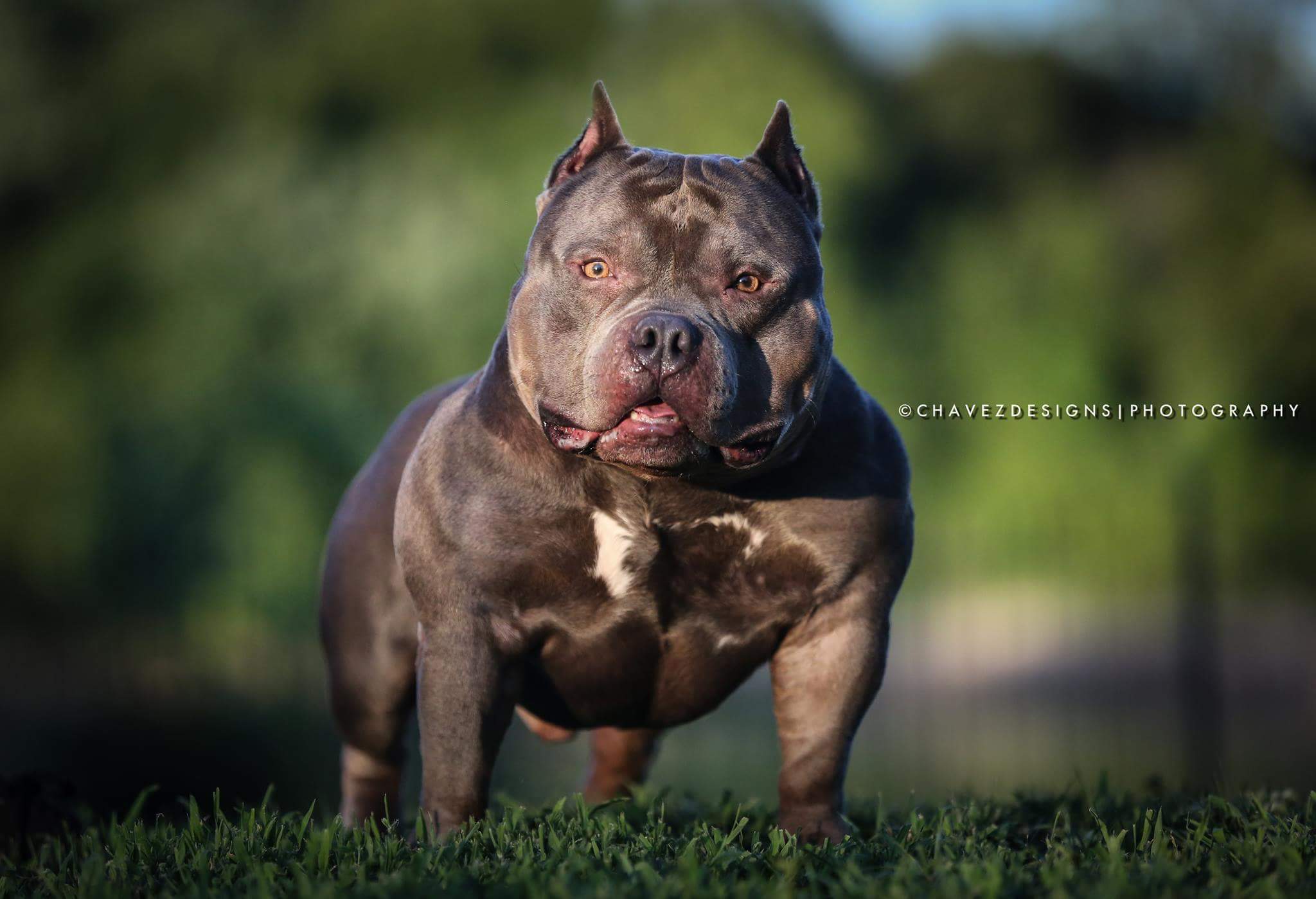
A breeder can produce exceptional dogs and still struggle if nobody outside an existing social circle knows the program exists.
Marketing is not a substitute for quality. It is the system that allows quality work to be discovered, documented and understood.
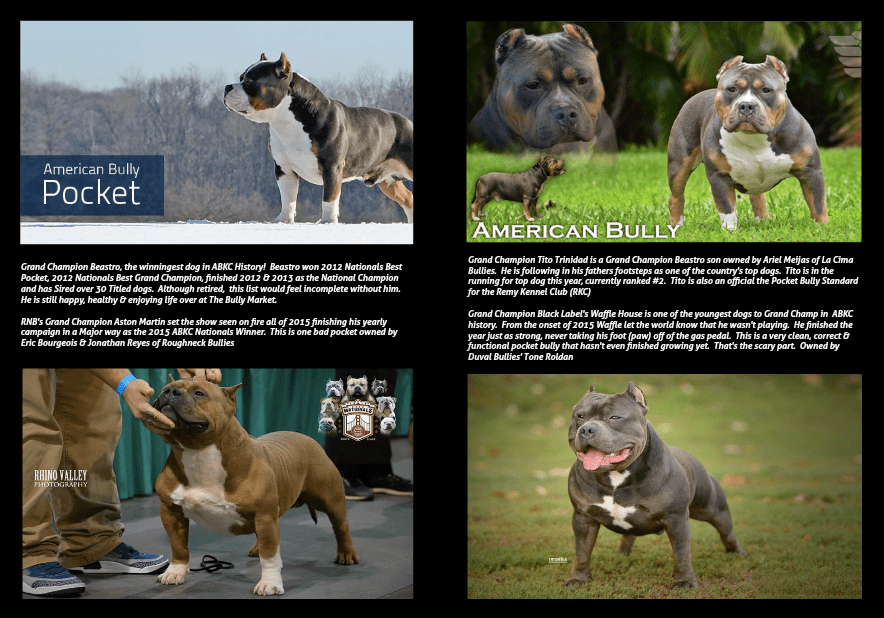
Strong breeder marketing should document the program rather than rely only on hype. Useful content includes pedigrees, mature productions, full litter results, measurements, show accomplishments, breeding objectives, health information, educational material and consistent photography or video.

BULLY KING Magazine provides promotional opportunities for dogs, kennels, breeding programs and bully-related businesses. See the current BULLY KING Magazine Advertising & Promotion page for available options.
9. Letting Online Drama Replace Professionalism
Breeding communities can be highly competitive. Criticism, disagreements and conflicting opinions are inevitable.
The problem begins when a kennel spends more energy arguing publicly than documenting its dogs, serving customers and improving its program.
Professionalism matters because buyers, breeders and potential partners can see how a kennel responds under pressure. Public arguments, unsupported allegations and personal attacks can damage trust faster than any advertisement can rebuild it.
Be a Good Sport

Showing dogs means eventually losing to another dog. Congratulate the winner, learn from the result and keep improving. The same principle applies outside the show ring.
Once a breeder begins accepting money, signing agreements and placing dogs with the public, professionalism is part of the job.
10. Failing to Evaluate What the Program Actually Produces
A kennel cannot improve by evaluating only the parents or the best puppy in each litter.
Breeders should follow offspring as they mature and look for repeated patterns across litters: structure, movement, temperament, size, health, breed type and recurring faults.
The same standard applies to stud selection. A male becomes valuable as a breeding dog because of what he repeatedly produces—not because of a famous pedigree, high fee or exceptional photograph.
This is where a kennel begins transitioning from producing litters to building a breeding program.
The Difference Between a Litter and a Breeding Program
A litter is one breeding.
A breeding program is a repeatable system for deciding which dogs enter the program, which pairings are made, which puppies are retained, how results are evaluated and how each generation improves on the last.
If you are still deciding whether breeding is right for you, read How to Become an American Bully Breeder.
If you already know that your focus will be Pocket Bullies and need the operating framework behind a real program, continue to the Pocket Bully Breeding Program Blueprint.
Building an American Bully Breeding Program?
Use the deeper Venomline breeder resources according to your stage:
How to Become an American Bully Breeder
Pocket Bully Breeding Program Blueprint
American Bully Foundation & Program Females
American Bully Studs & Pocket Bully Stud Service
American Bully Stud Service Guide
Bottom Line
The kennels that last are rarely the ones chasing every trend, buying the most expensive dog or producing the most litters.
Long-term breeding programs are built through patience, quality foundation stock, honest evaluation, careful pairing decisions, financial preparation, strong contracts, veterinary support, professionalism and the willingness to change direction when the dogs show that a plan is not working.
Follow the vision—but make the dogs and the results prove that the vision works.
Originally published January 13, 2019. Updated September 22, 2026 by BULLY KING Magazine for breeder education and current resource accuracy.
Original article contributors: Grindhouse Bullies & Venomline Pocket Bullies (formerly Texas Size Bullies).
BULLY KING Magazine
```BULLY KING Magazine has covered American Bullies, breeders, bloodlines, studs, females, shows and the people behind the bully community for years.

Browse current magazine products, issues and promotional opportunities through the BULLY KING Magazine collection.
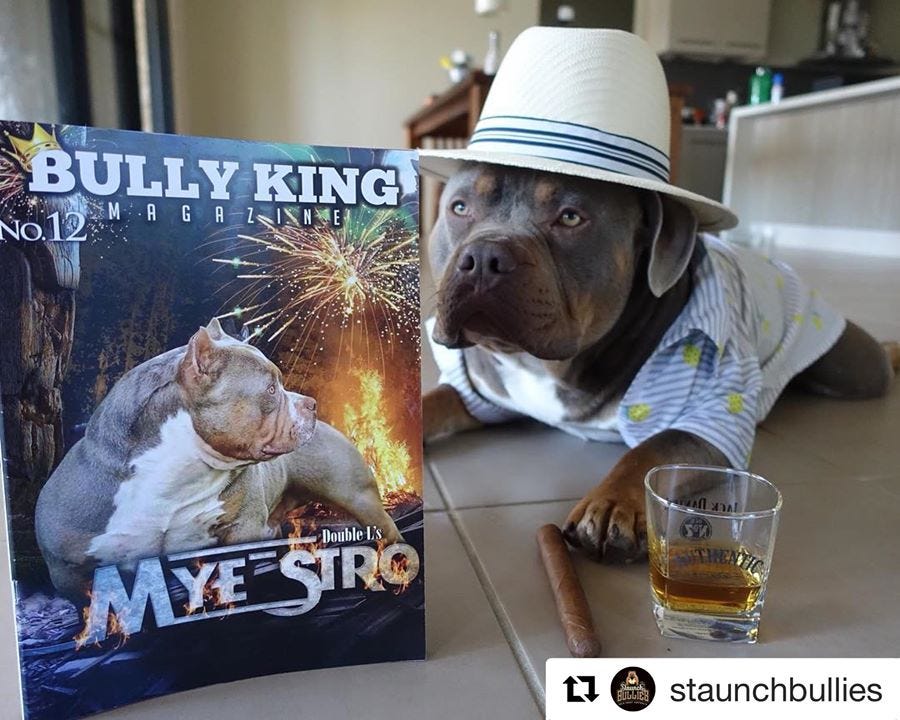
American Bully Education, Features & Breeder Coverage
BULLY KING's archive includes breed education, breeder interviews, bloodline histories, stud features, show coverage, health information and breeding articles.
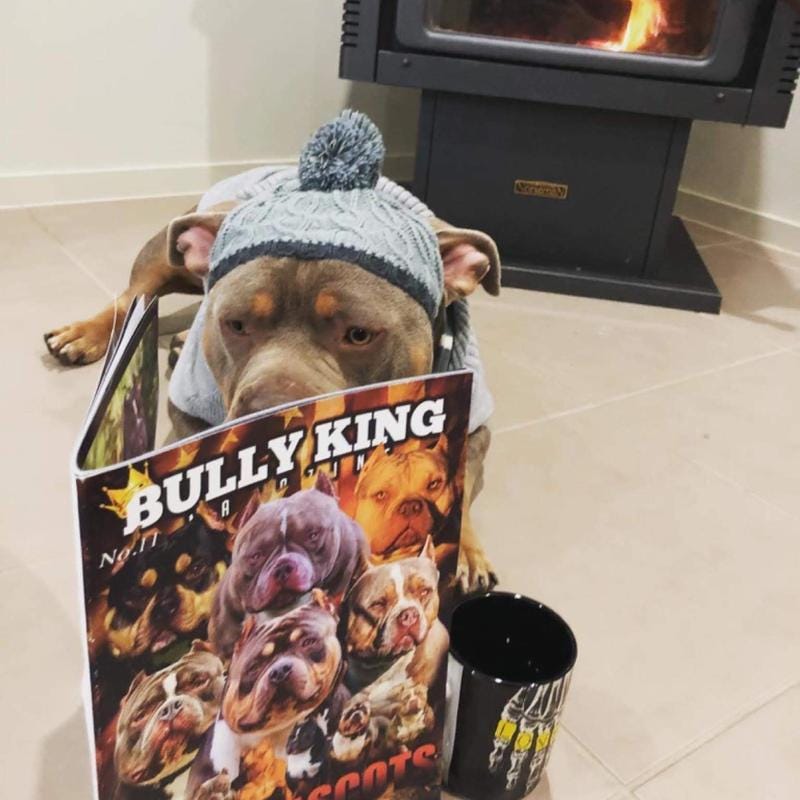
For current availability, visit BULLY KING Magazine issues and features.
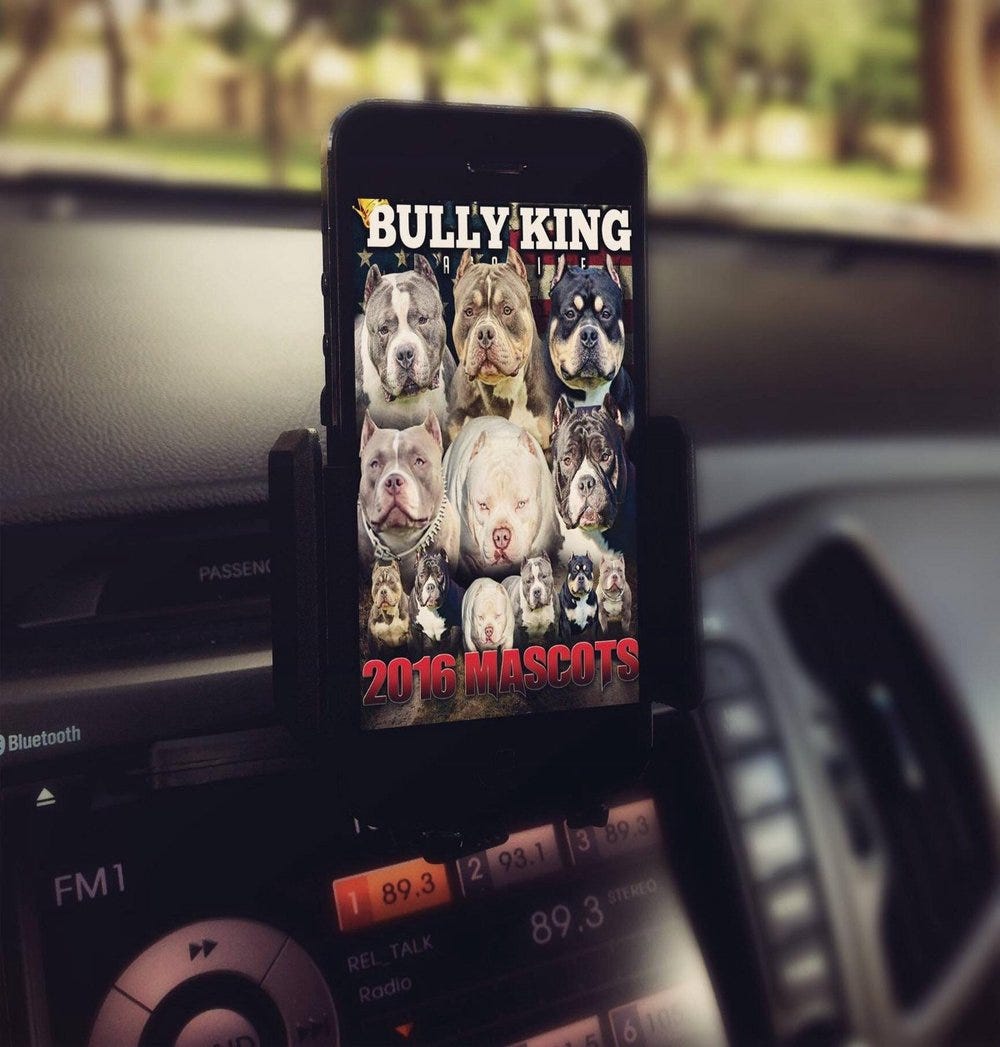
The Bully Bible
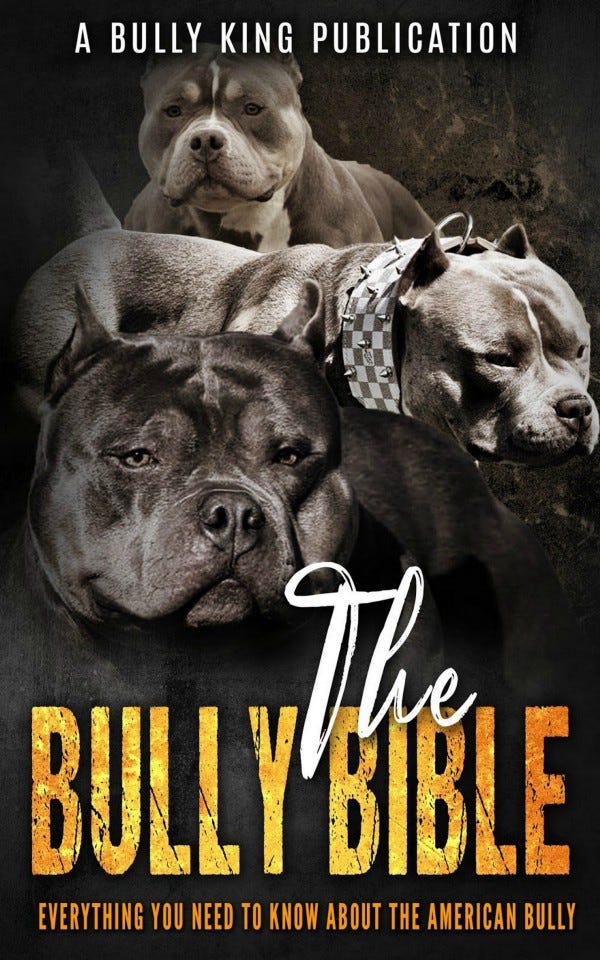
The Bully Bible includes chapters covering American Bully history, bloodlines, ownership, breeding, stud service, progesterone testing, artificial insemination, pregnancy, kennel management and other bully-breed topics.
Thank you for supporting BULLY KING Magazine and the bully community.
```

